Method / Thinking into things
A little imagination.
A way to make it happen.
Every project is different. Our method gives it a useful shape: space to explore, clear decisions and attention to how it will actually work.
01UnderstandFind the real question.
What does this need to do, and who is it for?
We start with a conversation about your idea, audience, occasion and constraints. You might have a detailed brief. You might only have a feeling that something could be better.
A shared starting point: purpose, scope, priorities and the questions to investigate.
02ExploreGive the idea a few directions.
What if we approached it another way?
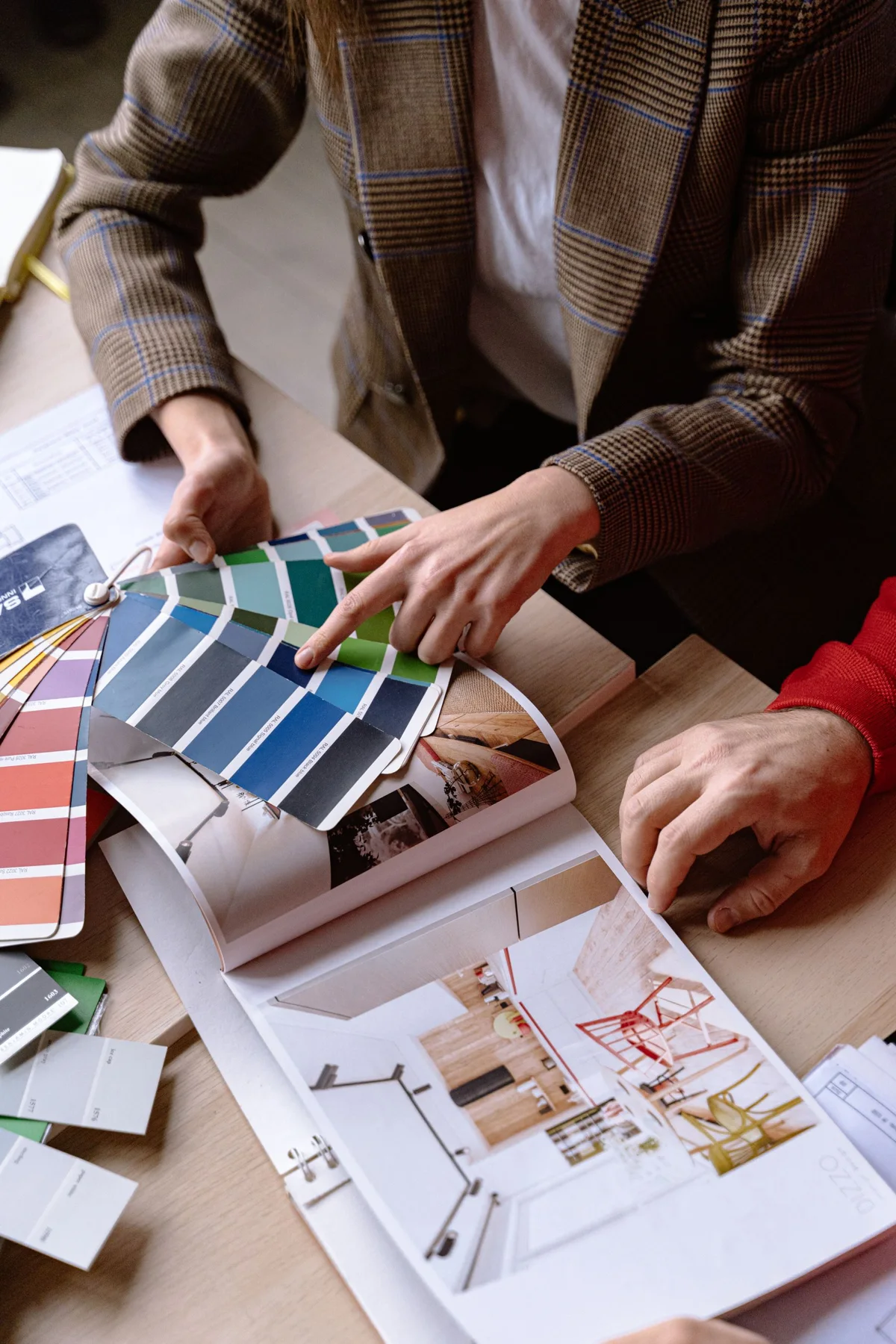
Conversation, references and early concepts let us try different routes before we commit. For a brand, that might mean a visual direction. For a product, it might mean form, use and materials.
A small set of directions to discuss, refine and choose between.
03DevelopWork through the details.
How should it look, feel and work?
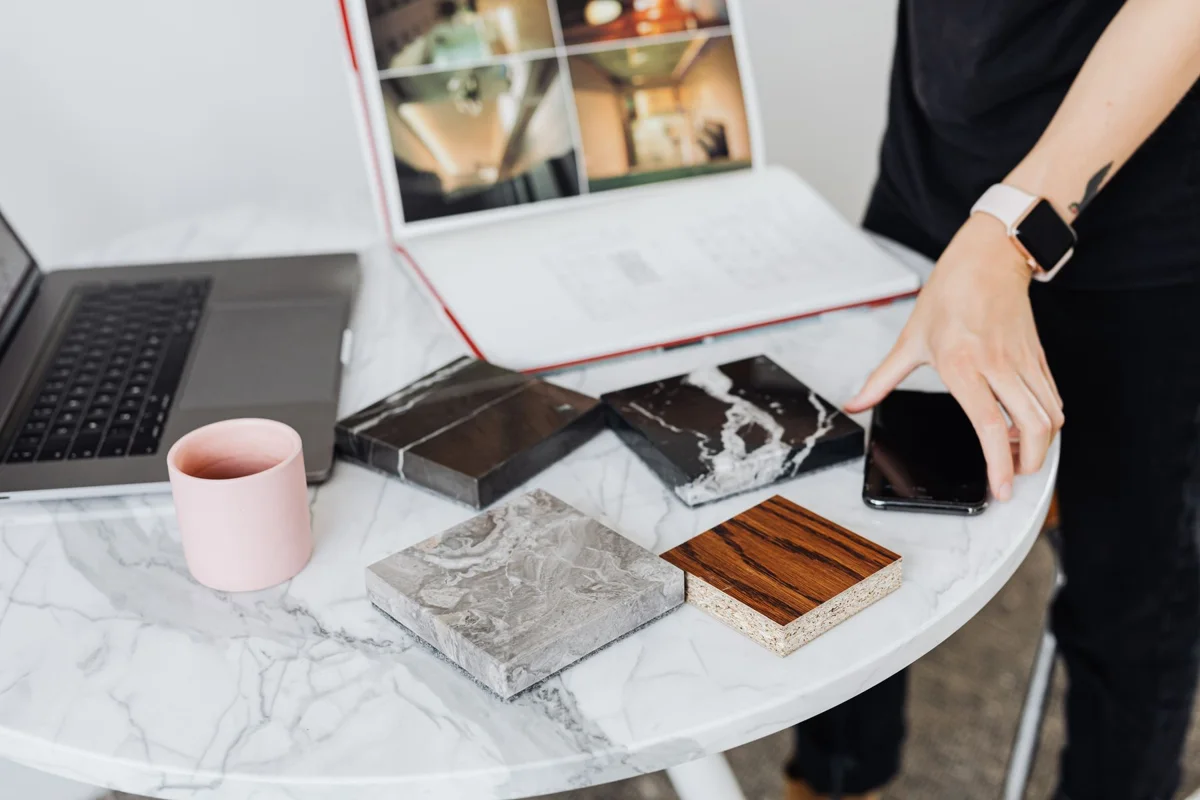
We develop the chosen direction. Depending on the brief, that could involve artwork, a brand system, 3D design, material studies, prototypes or samples. We agree what is useful for the project.
A more resolved design, with the important assumptions tested or clearly identified.
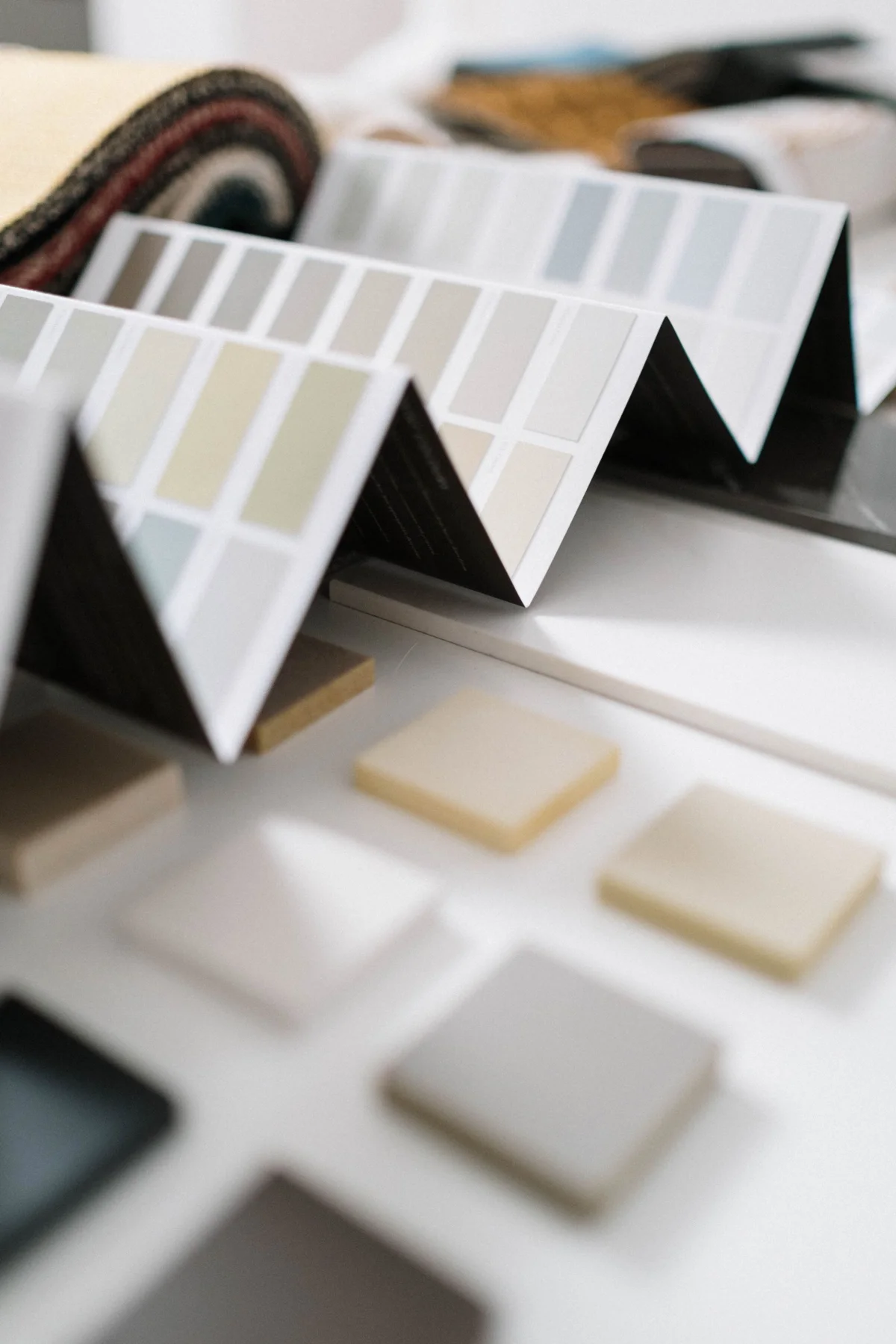
04MakeDesign for the real world.
What is the right way to bring it into being?
We consider the production route, quantities, finishes, packaging, budget and timing. Where specialist production or technical input is needed, we work through that with suitable partners.
An agreed route to making, with specifications, responsibilities and practical next steps.
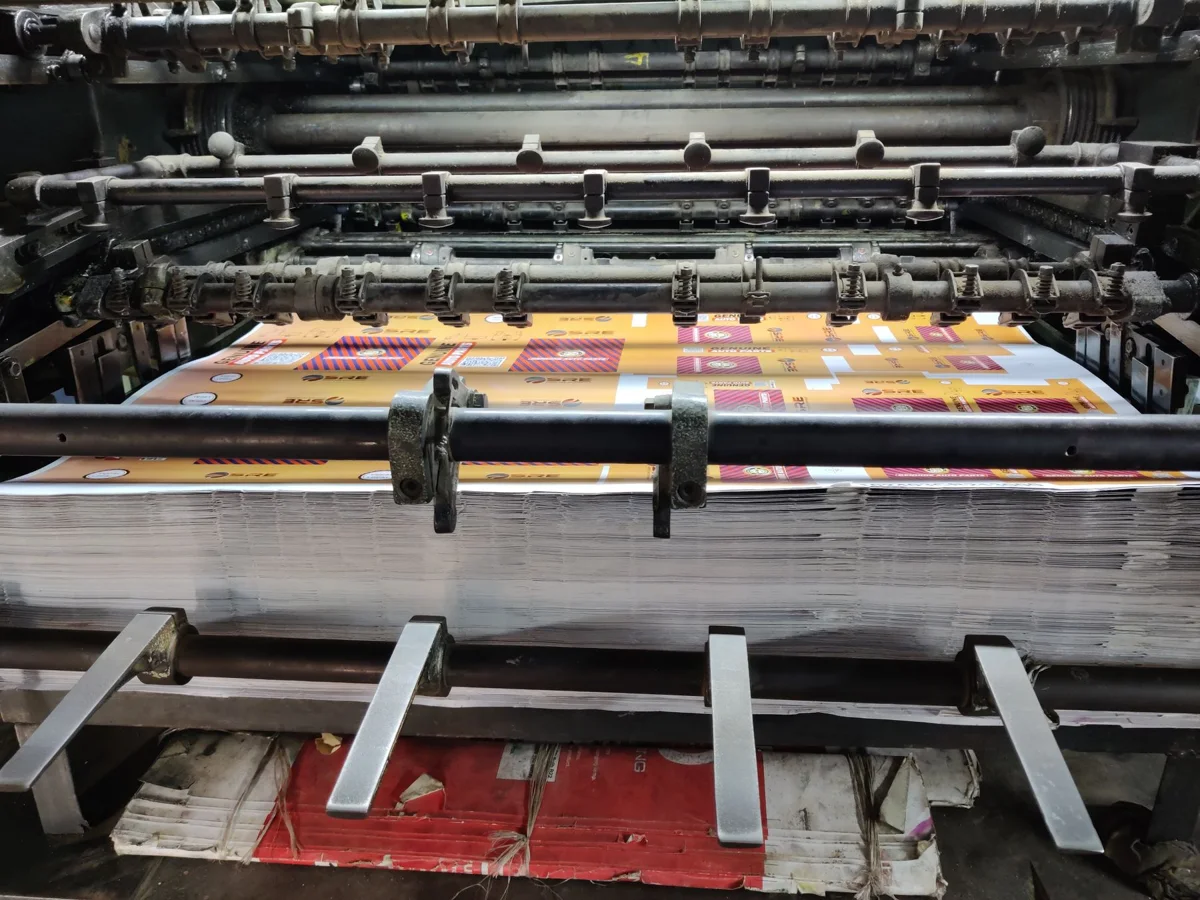
05DeliverFollow it through.
What needs to happen before it reaches the right hands?
We support the agreed production and delivery process, including reviewing samples or artwork and working through finishing details where the scope calls for it. The exact support is agreed around your project.
The agreed design files, physical work or delivery support—and clarity on what happens next.
Considered by design
Better questions.
More considered choices.
We’re developing our approach to responsible making. We start with practical questions, raised early in the brief, and discuss the trade-offs around each project.
We don’t have all the answers. But materials, useful lifespans and what happens afterwards deserve a place in the conversation.
- Does it have a reason to exist?
- Start with purpose and usefulness, rather than making something simply for the sake of it.
- What is it made from?
- Consider material options, finishes and evidence about their impact. A recycled label alone isn’t the whole story.
- What happens after the occasion?
- Discuss durability, continued use, repair or disassembly where these are relevant to the design.
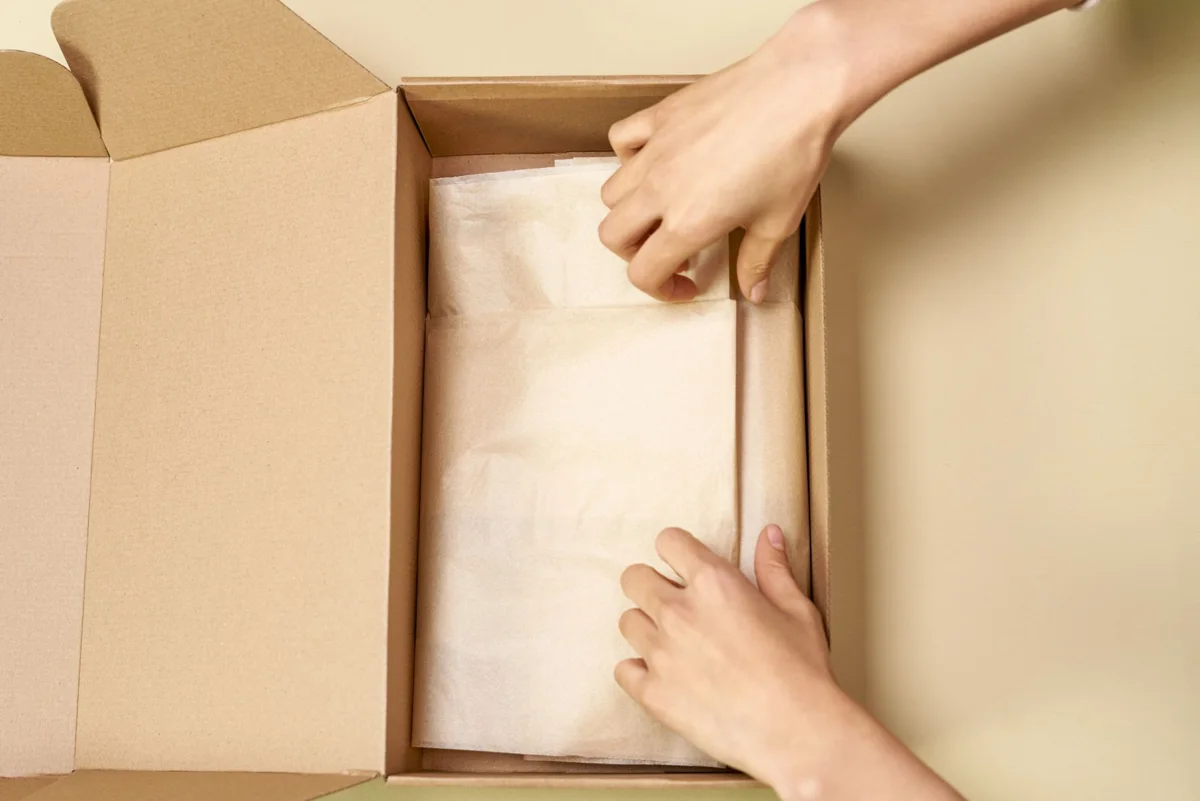
- How much packaging does it need?
- Balance protection and presentation with the amount of material and the practical route to delivery.
Your next starting point